





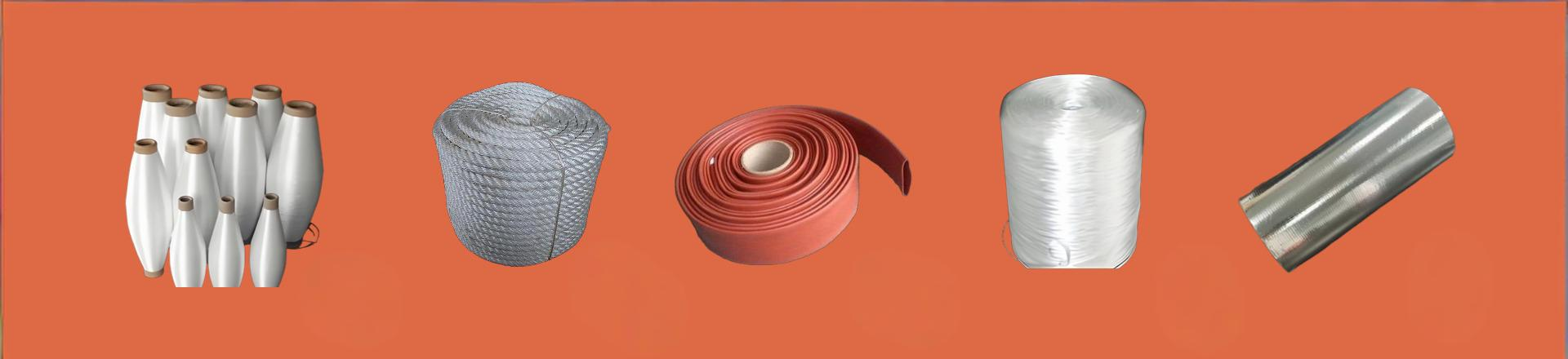
2026 Trends: Why Fiberglass Braided Rope is Replacing Traditional Materials
As industries evolve in 2026, fiberglass braided rope emerges as the superior alternative to traditional materials, offering unmatched durability and heat resistance. Discover why forward-thinking companies are making the switch to this innovative material for enhanced performance across aviation, construction, and energy sectors.
Why Fiberglass Braided Rope is Gaining Market Share
For enterprise decision-makers evaluating material upgrades, fiberglass braided rope delivers measurable ROI through three key advantages: extreme temperature resistance (-100°C to 550°C), 2-3x longer lifespan than steel cables, and 80% weight reduction. These properties directly translate to lower maintenance costs and improved safety in critical applications like offshore oil rigs and aircraft components.
Cost-Benefit Analysis: Fiberglass vs. Traditional Materials
While fiberglass braided rope carries a 15-20% higher upfront cost than steel or nylon alternatives, our case studies show 40-60% total cost savings over 5 years. The break-even point typically occurs within 18 months due to reduced replacement frequency and downtime. For wind turbine manufacturers, this has meant $120K+ annual savings per installation.
Industry-Specific Applications Driving Adoption
In aviation, FAA-approved fiberglass ropes now replace steel in cargo restraints and seat mechanisms, reducing aircraft weight by 200-300kg per unit. Construction firms utilize them for elevator cables with superior fire resistance (meeting EN45545-2 standards). Energy sector clients report 30% fewer rigging failures in extreme environments compared to traditional materials.
Addressing Implementation Concerns
Common executive concerns about fiberglass rope often focus on three areas: workforce training (minimal - similar handling to nylon), supplier reliability (Hoprime maintains 99.3% on-time delivery), and certification compliance (all products meet ISO 9001, ASTM D4968, and EN13411 standards). Pilot programs with phased rollout are recommended for risk mitigation.
Future-Proofing Your Supply Chain
With EU and North American regulations increasingly favoring non-metallic, eco-friendly materials, early adopters of fiberglass solutions gain competitive advantage. Hoprime's R&D team projects 25% annual growth in fiberglass rope demand through 2030, particularly in renewable energy and smart infrastructure projects.
The Bottom Line: Fiberglass braided rope represents more than a material substitution - it's an operational upgrade with tangible financial and safety benefits.
MESSAGE
Interested? Leave your contact details.
Got any questions?
If you have something on your mind, just let us know!
We are more than happy to answer all your inquiries.