





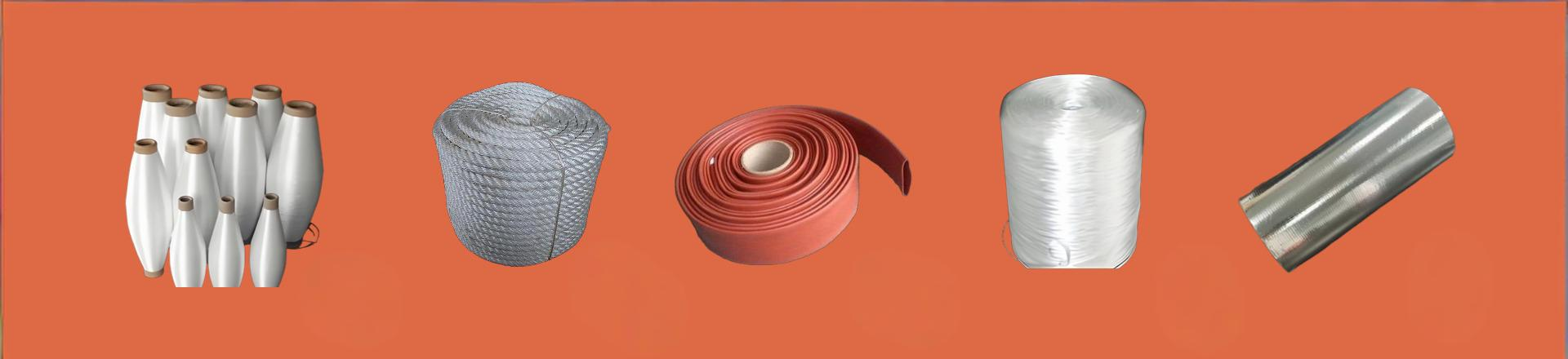
Material Composition: The Foundation of Carbon Fiber Performance
The raw materials used in carbon fiber fabric production directly determine 60-75% of its ultimate performance characteristics. At Hoprime, we utilize polyacrylonitrile (PAN)-based precursors with 95%+ carbon content for aerospace-grade fabrics, while pitch-based fibers are reserved for specialized thermal applications requiring extreme heat resistance up to 3,000°C.
Our ISO-certified manufacturing process ensures batch-to-batch consistency with ≤2% variation in fiber diameter (typically 5-7μm) - a critical factor for predictable mechanical performance in wind turbine blade reinforcements and pressure vessel applications.
Weave Density and Architecture: Balancing Strength and Flexibility
The fabric construction pattern affects both handling characteristics and final composite properties. For structural applications requiring multidirectional strength, our 2×2 twill weave provides optimal drape with 12-16 threads/cm density, while unidirectional fabrics deliver maximum tensile strength along a single axis for specialized uses.
- Plain Weave: 18-24 threads/cm, best for flat laminates requiring uniform properties
- Satin Weave: 8-12 threads/cm, preferred for complex mold contours
- 3K vs. 12K Tow: Finer 3K (3,000 filaments) offers better surface finish, while 12K provides cost efficiency for bulk applications
Thermal Stability Considerations
Carbon fiber fabrics maintain dimensional stability within ±0.5% at continuous operating temperatures of 200-250°C (PAN-based) or up to 650°C with specialized coatings. For furnace insulation applications, our ceramic-fiber hybrid fabrics combine carbon's conductivity with superior thermal protection.
Mechanical Strength Parameters
The tensile modulus of carbon fiber cloth typically ranges from 230 GPa (standard modulus) to 600 GPa (ultra-high modulus), with corresponding elongation at break values of 1.5-2.0% and 0.3-0.5% respectively. These parameters must be matched to the stress profiles of end applications:
Surface Treatment and Compatibility
Proper surface activation (typically 3-5% weight gain from sizing) improves resin bonding by 40-60% compared to untreated fibers. Our fabrics come with epoxy-compatible sizing as standard, with optional treatments for:
- Phenolic resin systems (common in fire-retardant applications)
- Bismaleimide (BMI) matrices for high-temperature aerospace components
- Vinyl ester compatibility in corrosive chemical environments
Quality Assurance Protocols
Every production batch undergoes 7-point inspection covering fiber alignment (±1° tolerance), areal weight (±3% tolerance), and resin uptake capacity (minimum 65% by volume). Our ISO 9001:2008 certification ensures traceability from raw materials to finished rolls.
MESSAGE
Interested? Leave your contact details.
Got any questions?
If you have something on your mind, just let us know!
We are more than happy to answer all your inquiries.