





Fire Blanket Materials: Key Considerations for Distributors
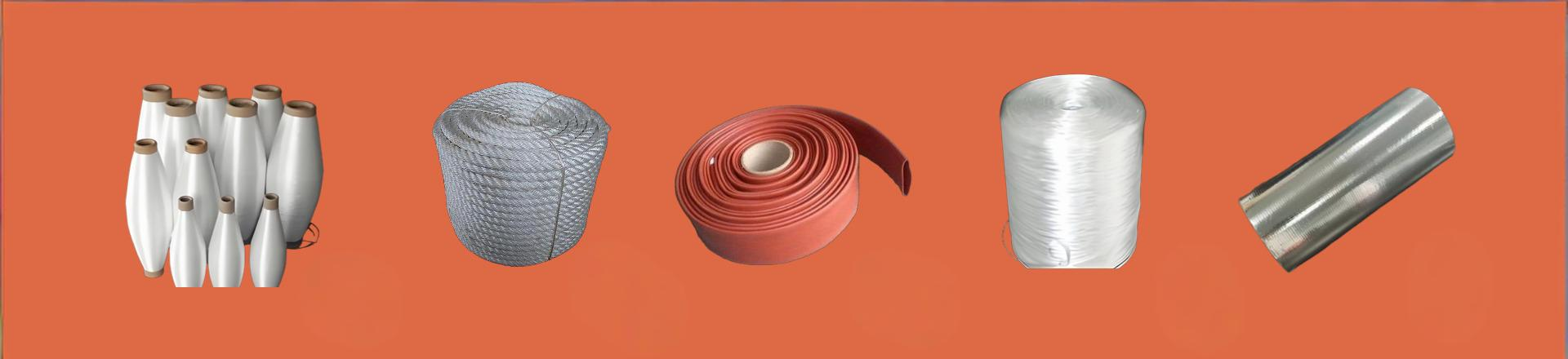
Choosing the right fire blanket material is critical for safety and performance in high-risk environments. As a leading manufacturer of high-temperature textiles, Hoprime understands the unique needs of distributors serving demanding markets. This guide compares fiberglass, ceramic fiber, and other advanced materials to help you select the optimal fire blanket solution for your clients' specific applications.
Why Material Selection Matters
Fire blankets serve as first-line defense in emergency situations across industries ranging from oil refineries to commercial kitchens. The material composition directly impacts three critical performance factors: temperature resistance (typically 500°C to 1600°C), durability (2-5 years average service life), and handling safety (weight ranging from 0.5kg to 3kg per square meter).
Comparative Analysis of Fire Blanket Materials
Distributors need to understand how different materials perform across key operational parameters. The table below compares four industry-standard options:
Fiberglass remains the most cost-effective solution for general-purpose applications, while ceramic fiber blankets deliver superior performance in extreme heat environments like foundries. Bio-soluble options are gaining traction in European markets due to their lower health risks during handling.
Application-Specific Recommendations
Distributors should match blanket specifications to end-use scenarios:
- Industrial kitchens: Fiberglass (550°C rating, 30-40% cost savings)
- Chemical plants: Ceramic fiber (1260°C rating, 2x longer lifespan)
- Marine applications: Silica fiber (hydrophobic variants available)
Procurement Factors for Fire Blanket Distributors
When evaluating suppliers, consider these 5 critical aspects that impact your distribution business:
1. Certification Compliance
Ensure materials meet EN 1869:2019 (European standard) or ASTM F1989-05 (US standard). Hoprime's ISO 9001:2008 certification guarantees consistent quality across production batches, with test reports available for all shipments exceeding $10,000 in value.
2. Customization Capabilities
Leading manufacturers should offer:
- Size variations from 1m x 1m to 2m x 3m
- Edge reinforcement options (stainless steel or Kevlar®)
- Custom packaging for bulk orders (50-200 units per pallet)
3. Supply Chain Reliability
With 70% of Hoprime's exports serving North America and Europe, we maintain 3 regional warehouses with 45-day inventory buffers to prevent stockouts during peak demand periods (typically Q2-Q3 annually).
Conclusion: Partnering for Safety Solutions
Selecting the right fire blanket materials requires balancing technical specifications, regulatory requirements, and market demand. As a distributor, your choice of manufacturing partner directly impacts your ability to serve diverse client needs across industries.
Hoprime's decade of experience in high-temperature textiles ensures you receive fire blankets that meet the most stringent international standards. Contact our export team today to discuss volume pricing and custom configurations tailored to your distribution network.
MESSAGE
Interested? Leave your contact details.
Got any questions?
If you have something on your mind, just let us know!
We are more than happy to answer all your inquiries.