





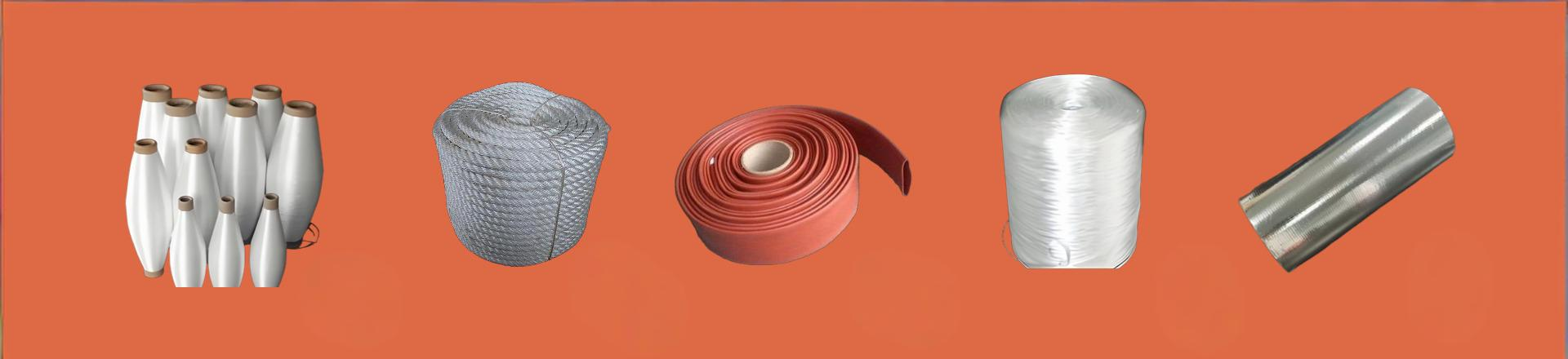
The Thermal and Electrical Demands of Modern thermal Insulation materilas
Fireproof electrical insulation must perform under conditions where standard materials fail. High temperatures, short circuits, and arc flashes pose risks that require a material with inherent thermal stability and dielectric strength. This is where high silica fiber fabric becomes crucial. It does not simply resist heat; it maintains its structural and insulating properties even when exposed to flame directly or extreme thermal loads.
For technical professionals evaluating materials, the distinction between standard fiberglass and high silica variant is significant. The silica content, typically above 96%, provides a higher melting point and superior electrical resistance. This makes the fabric a reliable barrier in environments where both fire safety and electrical integrity .
What Defines High Silica Fiber Fabric
High silica fiber fabric is a specialized textile produced from leached glass fibers. The manufacturing process removes most non-silica components, leaving a material that can withstand continuous temperatures up to 1100°C and short-term exposure even higher. This composition directly contributes to its low thermal conductivity and excellent dielectric properties.
Unlike standard glass fiber textiles, this fabric remains flexible and non-brittle after prolonged heat exposure. It does not emit toxic fumes when burned, adding an important safety layer in confined spaces like electrical enclosures or cable trays. For the industry, it represents a balance between mechanical handling capability and extreme temperature performance.
Why It Matters for Fireproof Electrical Insulation
The core value of high silica fiber fabric lies in its dual function: it acts as a thermal shield and an electrical insulator simultaneously. In applications such as motor windings, transformer insulation, or cable wrapping, this dual capability reduces the need for multiple material layers, simplifying design and improving reliability.
From a safety perspective, this fabric prevents short circuits caused by insulation breakdown at high temperatures. It also provides a stable barrier against arc flash events, containing heat and preventing the spread of fire. In sectors like aerospace or energy, where a single failure can have cascading consequences, this reliability is paramount.
Key Application Scenarios and Their Requirements
Understanding where this fabric is used helps clarify its importance. The table below outlines common scenarios and the specific insulation challenges addressed.
Each of these scenarios demands a material that can perform without degradation. High silica fiber fabric meets these requirements consistently, which is why it is specified by engineers globally.
Practical Considerations for Technical Assessors
When selecting a high silica fiber fabric for a project, assessors should look at three key parameters: silica percentage, fabric density, and dielectric breakdown voltage. A higher silica content generally offers better thermal performance, while denser weaves provide improved mechanical strength and resistance to abrasion.
Moving Forward with Informed Material Choices
Evaluating high silica fiber fabric requires understanding the specific operational stresses it will face. Start by mapping the maximum temperature, potential electrical loads, and required physical durability of your application. Then, compare these factors against the performance data of the fabric.
For teams looking to enhance safety and reliability in their electrical systems, reviewing sample data or requesting technical specifications is a logical next step. This material is not a generic solution; it is a precise tool for high-risk environments. Choosing the right variant can make a measurable difference in system longevity and safety outcomes.
MESSAGE
Interested? Leave your contact details.
Got any questions?
If you have something on your mind, just let us know!
We are more than happy to answer all your inquiries.